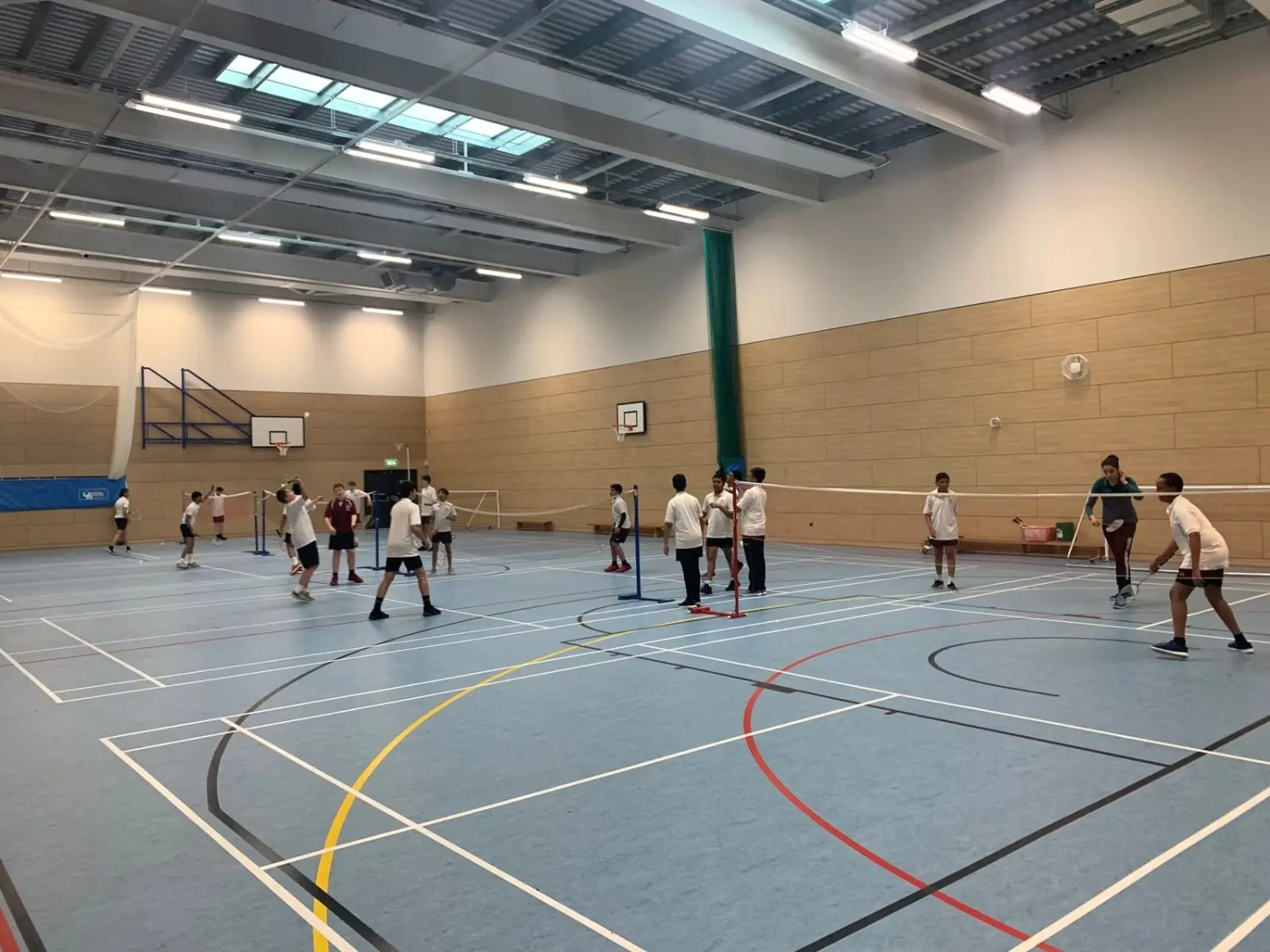
Upton Court Grammar School 11 plus is a key route for families looking at a mixed grammar in Slough, Berkshire. The school is on Lascelles Road, so the day-to-day commute and morning rhythm matter more than most parents expect in the early planning stage.
Most parents feel calmer once two things are clear. First, Slough grammar entry starts with one shared eligibility test, so you can treat it as a single system rather than separate exams. Second, the school application runs through the normal local authority process, so test prep should not distract from deadlines and paperwork.
It helps to map your full grammar school application UK timeline early, including what happens before the test, after results, and how the Common Application Form fits in. Keeping it on one page reduces surprises later. See the grammar school application UK timeline for a useful reference.
The aim is not to turn Year 5 and Year 6 into pressure. It is to build steady skills, then practise timing and accuracy so your child walks in familiar with the format rather than intimidated by it.
| Address | Lascelles Rd, London, Slough SL3 7PR, United Kingdom |
| School type | Selective grammar academy, mixed, with sixth form |
| Local authority | Slough |
| Trust | Pioneer Educational Trust |
| Age range | 11 to 18 |
| Contact | +441753522892, office@uptoncourtgrammar.org.uk |
| Ofsted | Outstanding |
| Location |
Registration is through the Slough grammar school testing route. One registration covers all participating Slough grammar schools. Published window and test provider are on the official Slough testing information page.
If your child needs adjustments, start early. Evidence and deadlines are strict.
The test has two multiple-choice papers:
A minimum eligibility score is required for grammar consideration. Meeting it does not guarantee a place; allocation depends on how many children qualify and each school’s oversubscription rules.
Even with a strong score, a place requires listing the school on the Common Application Form in true preference order. Include at least one realistic non-selective option as a safety net.
Offers come through the local authority. Waiting list movement is common; stay practical and organised.
An appeal is not a remark or second exam. Panels assess whether the admissions decision was correctly applied and whether reasons/evidence outweigh prejudice to the school.
| Test registration opens | 1 May 2026 |
| Test registration closes | 5 June 2026 |
| Secondary Transfer Test date | 19 September 2026 |
| Results | October 2026 |
| Common Application Form deadline | 31 October 2026 |
| National offer day | 1 March 2027 |
The first gate is the test outcome. After that, places are allocated using each school’s oversubscription criteria. When reading the published criteria, note:
The Slough test is multiple choice across English, verbal reasoning, maths, and non-verbal reasoning, split across two papers. Marks are often lost through misreads, rushed steps, or poor pacing rather than lack of ability. Preparation focusing on calm accuracy travels well into the real exam.
As a starting point, you can book a free 11+ diagnostic session with Find Your Tutor FYT focused on Upton Court Grammar School. They benchmark your child’s current level and provide a personalised preparation roadmap.
Join Hundreds of Families Who Secured Upton Court Grammar School Places with Find Your Tutor.

Entry is through the Slough Secondary Transfer Test, then school preferences are submitted through the local authority system. Meeting the minimum eligibility score makes a child eligible for consideration, but offers depend on ranking and oversubscription rules.
The published test date is shown in the key dates table above.
The published format is two multiple choice papers. One paper covers English and verbal reasoning, and the other covers maths and non verbal reasoning.
The published route is exam led. There is no routine interview stage described for standard Year 7 entry through the test route.
No. Families apply from a range of areas. What matters is test performance and then how the oversubscription criteria apply once preferences are submitted.
Yes. Registration is not limited to Slough primaries, but you must follow the published registration steps and deadlines.
It is the threshold used in the Slough system to decide who can be considered for grammar places. It is not a guarantee of a place, because final offers depend on demand and the oversubscription criteria.
Put schools in genuine preference order. Listing a school lower does not help your chances. It can only reduce them if you would have preferred that school over another.
You can join the waiting list and consider an appeal if you have strong evidence. Waiting list movement can happen after offer day as families accept other places.
Accept the offered place first, then stay on the waiting list for higher preferences if you want to. Accepting does not usually block waiting list movement
Follow the published guidance for exceptional circumstances as early as possible. Keep evidence clear and organised, and do not assume informal explanations will be enough.
Start early. Schools usually require evidence and will have a deadline for adjustments. Speak to your child’s current school promptly if you will need supporting documentation.
Speed matters, but accuracy matters more. Many children lose marks through misreading, rushing steps, or changing answers late without a reason.
A mix of fiction and non fiction works best. The key is understanding, inference, and being able to explain meaning and vocabulary calmly.
Yes. Appeals focus on whether the admissions decision was correctly applied and whether your evidence is strong. Success usually depends on clear, well organised reasons rather than frustration alone.